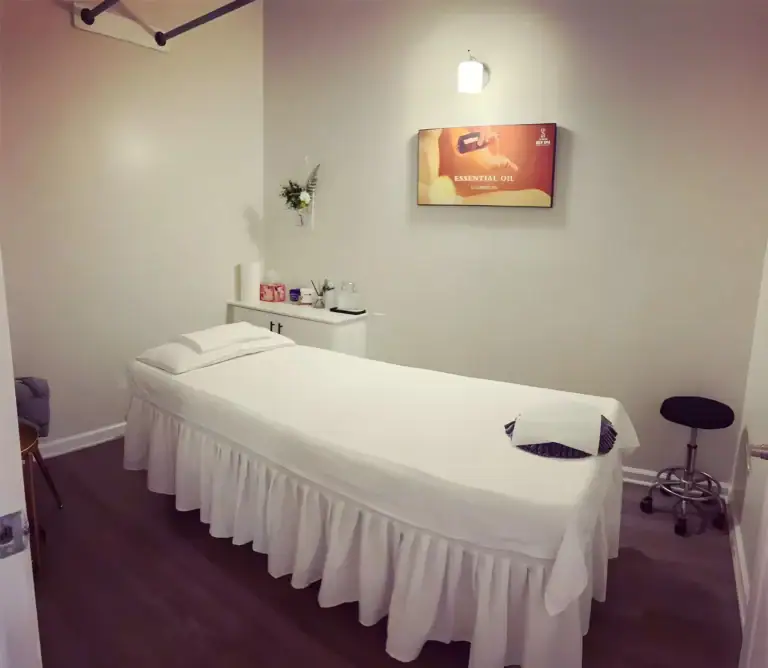
The difference between Swedish and deep tissue massage is mostly pressure and purpose. Swedish massage uses light to moderate pressure and long, flowing strokes to help your whole body relax. Deep tissue massage uses firmer, slower pressure aimed at specific tight areas, such as your neck, shoulders or lower back. If it’s your first massage or you mostly want to unwind, Swedish is the usual starting point. If you have a stubborn tight spot and you like firm pressure, deep tissue is the usual pick.
Two things keep that from being a hard rule. The term “deep tissue” isn’t used the same way everywhere, so telling your therapist what you want matters more than the label. And Swedish pressure can be adjusted, so you can ask for firmer work if light feels too light. Firmer doesn’t automatically mean better, either. In one trial of 401 adults with chronic low back pain, relaxation massage and a more structural style both helped more than usual care at 10 weeks, and the researchers found no clinically meaningful difference between the two.
Pick Swedish when you want to relax or you’re new to massage, and pick deep tissue when one area needs firmer work.
Which fits you
| Your situation | Usually start with | Ask the therapist |
|---|---|---|
| First massage, or you want to relax | Swedish | For medium pressure all over |
| General tension, such as a desk-job neck and shoulders | Swedish | To go firmer on your shoulders if it feels light |
| One or two stubborn tight spots | Deep tissue | To focus on those areas |
| You want a bit of both | A mix | To blend firm work and lighter strokes |
Swedish massage is the usual first choice for a first-timer because the pressure is light to moderate and you can change it as you go. Cleveland Clinic also lists Swedish as a good pick for people who are new to massage. If your neck and shoulders are tight from desk work, start there and ask for firmer pressure on those spots, or ask your therapist whether deep tissue on that area makes sense.
Deep tissue massage puts firm, sustained pressure on specific tight areas, and therapists check in on the pressure as they work. Cleveland Clinic describes it as a good fit for people with general muscle tightness and chronic muscle pain. Deep tissue is aimed at a spot, while Swedish covers the whole body and usually doesn’t focus on one area. Swedish and deep tissue massage may each help a tight area feel looser.
If you want firm, targeted pressure with kneading and compression along the muscles, Pressure Point Massage is a third option.
If you can’t decide between deep tissue and Swedish massage, you can ask for both in one visit. Therapists often blend the two, for example firm work on the shoulders and lower back with Swedish strokes everywhere else, and deep tissue sessions often begin with lighter work anyway.
The setup is the same for Swedish and deep tissue massage: you undress to your comfort level and a sheet covers you, so only the area being worked is uncovered (this is called draping).
A Swedish session typically feels rhythmic and flowing. Your licensed massage therapist uses long gliding strokes (effleurage), kneading and lifting (petrissage), lighter rhythmic tapping (tapotement) and small circular pressure (friction). The pressure stays light to moderate unless you ask for more.
Deep tissue feels different. The strokes are slower, and the pressure is firm and steady on the areas that need it. A therapist may use thumbs, knuckles or forearms to reach them. It can feel intense on tight muscles, and that’s a cue to say something rather than tough it out. The next section covers how.
Say what you want before the session starts and keep saying it, because your therapist can’t feel how intense the pressure is for you.
What to say to your therapist
Before you begin, mention which areas feel tight, what pressure you usually like (light, medium or firm), and whether you want the same pressure everywhere. Then use plain, short sentences during the session, like the examples in the box.
A 1-to-10 scale works too, if that’s easier. Tell your therapist “I’d like about a 6” and adjust from there. You can change your mind at any point, and you don’t owe anyone a reason.
Sharp pain is the signal to speak up. So is holding your breath or clenching your jaw. Cleveland Clinic advises telling your therapist if a technique feels like pain rather than therapeutic pressure, so the pressure can be adjusted.
After a Swedish massage you may feel relaxed, and some people feel mildly sore, because soreness can follow even a gentle massage. A calm rest of the day is a good plan if you can manage one.
Soreness can be more likely after deep tissue, and it often lasts a day or two. The deep tissue page at So Young puts normal soreness at 24 to 48 hours, while Cleveland Clinic says soreness after a massage usually lasts a few hours to about a day and a half. If you have an important meeting or event later that day, that’s a reason to choose lighter work.
Contact a healthcare provider if intense soreness lasts longer than a couple of days.
Cleveland Clinic suggests drinking water before and after a massage to reduce soreness. The American Massage Therapy Association’s journal has also said there is no scientific evidence that massage flushes toxins out of the body.
Talk with your doctor before a massage if any of these apply to you:
Tell your therapist about anything on this list before you start. Massage shouldn’t replace seeing a provider about a medical problem. The same source describes the risk of harm from massage as low, and some of the rare serious problems it mentions involved vigorous types such as deep tissue or people at higher risk.
Therapists adjust the pressure on request once you’re on the table, so a first guess between Swedish and deep tissue doesn’t lock you in. To ask which massage fits, call So Young Day Spa in Plano at (469) 988-9050 and describe what you want: where you feel tight, how much pressure you usually like, or that you’d like a mix of both.
